Reshaping Regional Dispute Resolution: The Concluded DIFC Arbitration & Mediation Reforms
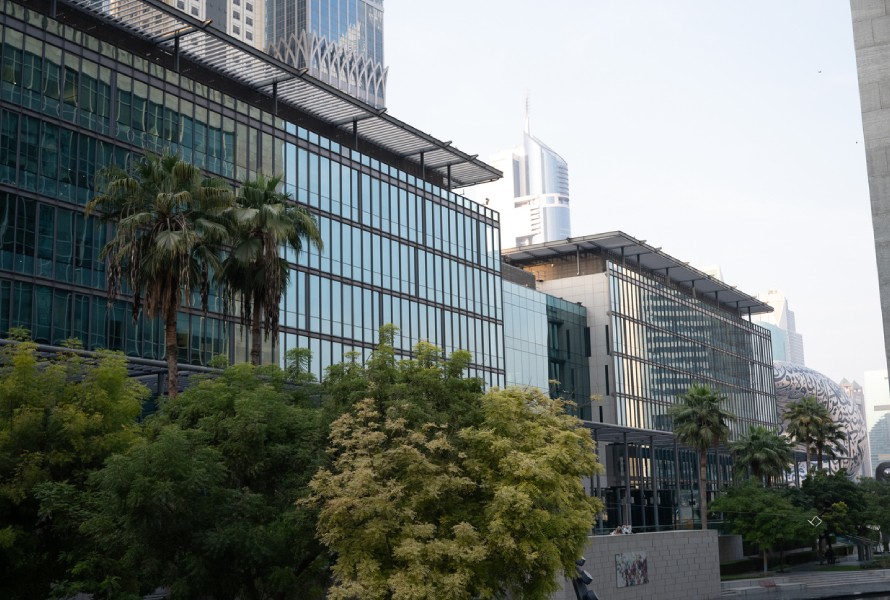
The Dubai International Financial Centre (DIFC) has officially concluded its 30-day public consultation phase regarding the total overhaul of its 2008 Arbitration Law. Following our initial coverage when the reforms were first proposed for public feedback, this landmark legislative update has now finalized its consultation window under Consultation Paper No. 2 of 2026, which closed for public comment on 10 July 2026.
The resulting framework completely shifts the regional dispute landscape by expanding the statutory code into the Arbitration and Mediation Law of 2026. This overhaul integrates elite global practices from the London Court of International Arbitration (LCIA), the International Chamber of Commerce (ICC), and key common law jurisdictions like England & Wales.
Shifting Tribunal Case-Management Powers
Moving away from traditional UNCITRAL Model Law "full opportunity" wording, the legal changes embrace a "reasonable opportunity" standard. This gives arbitrators far greater case-management teeth and actively mitigates bad-faith procedural delays:
- Summary Determination: Tribunals can summarily dismiss unmeritorious claims or defenses lacking realistic prospects of success.
- Security for Costs: Express statutory backing allows panels to prevent a claimant from dodging financial exposure.
- Emergency Arbitrators: Introducing an enforceability framework ensures rapid, pre-tribunal interim protection measures.
Regulating Funding and Representative Conduct
In an effort to elevate ethics and transparency, the modern code sets out strict new regimes for case participants:
- Third-Party Funding: Clear statutory disclosure requirements are introduced to manage conflicts of interest.
- Representative Sanctions: Strict guidelines govern the conduct of legal teams, allowing panels to penalize bad behavior directly.
Accelerated Enforcement and Shorter Court Timelines
The updated law streamlines the post-award environment to significantly lower litigation backlogs:
- Tightened Appeal Windows: The timeline for a losing party to challenge or set aside an award drops from three months down to just 30 days from receipt.
- Interim Court Support: The DIFC Courts maintain express statutory authority to grant asset-freezing and interim injunction relief, regardless of whether the physical arbitration seat is located inside the DIFC zone.
The Enforceable Mediation Track
Reflecting its updated name, the law contains a new section building an enforceable framework for the DIFC Mediation Centre. It clarifies rules regarding evidence admissibility, mediation behavior, and procedural paths to scale up to active litigation if negotiations stall.
Key Procedural Comparison
| Feature | Legacy 2008 Arbitration Law | New 2026 Legislation | ||
| Statutory Scope | Strictly limited to arbitration mechanisms. | Unified Arbitration and Mediation framework. | ||
| Challenge Timeline | 3 months to file set-aside applications. | 30 days maximum from award receipt. | ||
| Frivolous Claims | Requires full, prolonged trial procedures. | Summary determination dismissal powers. | ||
| Third-Party Funding | Left to generic institutional rules. | Explicit statutory disclosure and rules. |
Moving Forward with Transition Paths
To maximize procedural certainty, the new rules will not apply retroactively. Ongoing dispute proceedings remain governed by the 2008 framework. The updated rules control only those arbitrations and mediations launched on or after the upcoming formal enactment date.